Maintenance for chemicals and plastics
Where criticality decides how fast a fault escalates, and the status history of a job is the evidence a compliance review asks for.
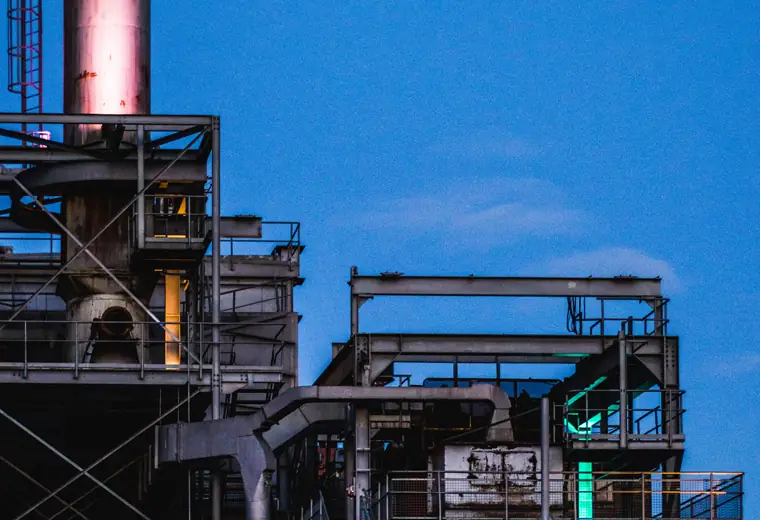
Each machine carries a criticality. A fault on a critical asset moves to the top of the list and stays visible until it is closed, rather than waiting behind routine work.
Every change of state is stamped with who made it and when. A closed job is a record of what was done, by whom, and in what order.
Trigger a job on running hours or on a reading rather than on a date, so a filter is replaced when it has done its 500 hours.
Consumption is recorded against the job and against the machine, so what was fitted to which asset is still answerable months later.
What an audit asks for
Three things a reviewer wants that a folder of paper cannot produce.
- 01
Who did the work
The technician's name is on the closed job, with the time it was completed.
- 02
What was done, in order
The checklist and the status history show the sequence, not only the outcome.
- 03
What was fitted
Parts issued to the job are held against the machine, with their reference and their date.