Maintenance for food and bottling lines
High-cycle lines where a stopped filler costs a shift. Preventive plans that fall due on running hours instead of calendar dates, and a fault reported from the line rather than from the office.
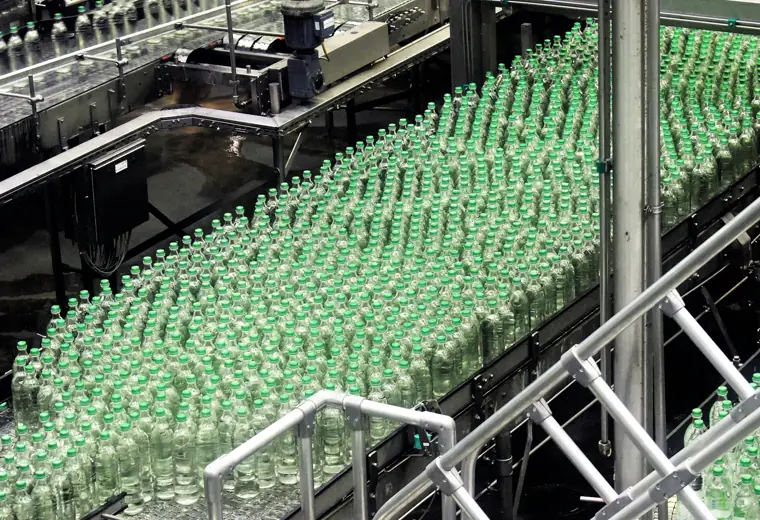
A filler that ran three shifts last week and one this week does not wear on a calendar. Preventive plans trigger on counters, so the service falls due when the machine has actually done the work.
The operator scans the QR code on the machine and says what happened. No account, no password, and no walk to the office while the line is standing still.
Recurring cleaning, changeover and inspection rounds are generated as their own work orders, so they stop competing with breakdowns for somebody's memory.
Labour and parts attach to the job, and the job to the machine. When one line keeps stopping, the reports say what it has cost so far.
What a shift looks like
The same four steps every bottling site already runs, with the paperwork taken out of them.
- 01
The line stops
An operator scans the code on the machine and sends a request in three taps, still standing at the fault.
- 02
The right technician gets it
It lands as a work order with the machine, its history and its criticality already attached.
- 03
The job is closed at the machine
Checklist completed, parts deducted from the store, time recorded. Nothing is written down twice.
- 04
The counter keeps running
Running hours accumulate, and the next preventive job for that machine is scheduled from them rather than from a date.