Maintenance for textile and garment plants
Large fleets of similar machines, where the question is rarely what broke. It is which of the forty is costing you the most to keep.
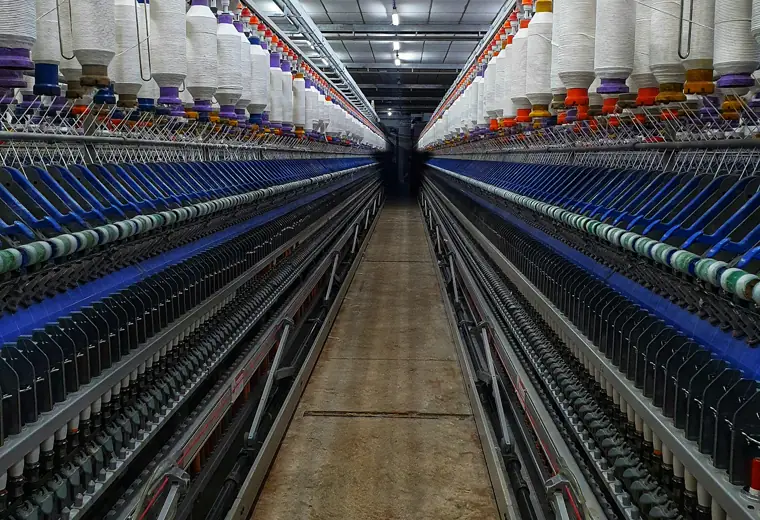
Forty looms of the same model are forty records with forty histories. The one repaired six times this year is visible as itself, not as an average.
Every job carries its labour and its parts. Cost per machine over a year is what tells you which frames have stopped being worth repairing.
Inspection rounds are scheduled per machine and per zone, so the fleet gets covered systematically instead of whichever machine someone walked past.
Method, parts used and time taken sit on the closed job. When the person who knew that machine moves on, the record stays behind.
Managing a fleet, not a machine
What changes when forty similar machines each carry their own history.
- 01
Every machine has an identity
A QR code, a location and a criticality, so a report names one machine rather than the loom at the back.
- 02
History accumulates per unit
Faults, parts and hours attach to that specific machine, never to the model it shares with thirty-nine others.
- 03
The outliers surface
The reports rank machines by cost and by number of interventions, so the list of what to replace next writes itself.